
Priorities for the Post-2030 Development Agenda
In 2027, the United Nations will start a process to negotiate what the global sustainable development agenda will look like after 2030.
This is an opportunity for IDIA to mobilise the diverse creativity of our ecosystem members to provide thought leadership around the current or emerging challenges that we collectively believe should be prioritised in whatever development collaboration looks like after 2030.
So far, our members have aligned around three broad issues, each of which have been identified because of their far-reaching and potentially disastrous impacts if they are not proactively addressed. They are, in no particular order:
One Health
Urban Futures
Regenerative Livelihoods
These issues, described in more detail below, are intentionally framed to try and break the fragmented, sectoral siloes of strategy and programming that have undermined effective responses and sustainable impact, with a view to also mobilising the expertise and resources of actors that have not traditionally collaborated.
As part of our thought leadership agenda, it is difficult to predict how IDIA’s work on each of these issues will unfold, or what it will produce. Each track will be led by a selection of experts from our Global Innovation Advisor community but will involve interested representatives from all six communities of the IDIA ecosystem to ensure an approach that is informed by diverse experience and creativity. While there is no set pathway, our goal here is to look at these issues through the lens of innovation, exploring various future scenarios and possibilities to understand how new products, policies and partnerships might help address these issues in a positive, sustainable way.
This is a journey where we will be sharing learning and insights regularly, and for which we welcome technical, financial and political support. If you have experience in one or more of these tracks, and would like to help IDIA shape future directions and opportunities in addressing them, please contact us.
Urban Futures
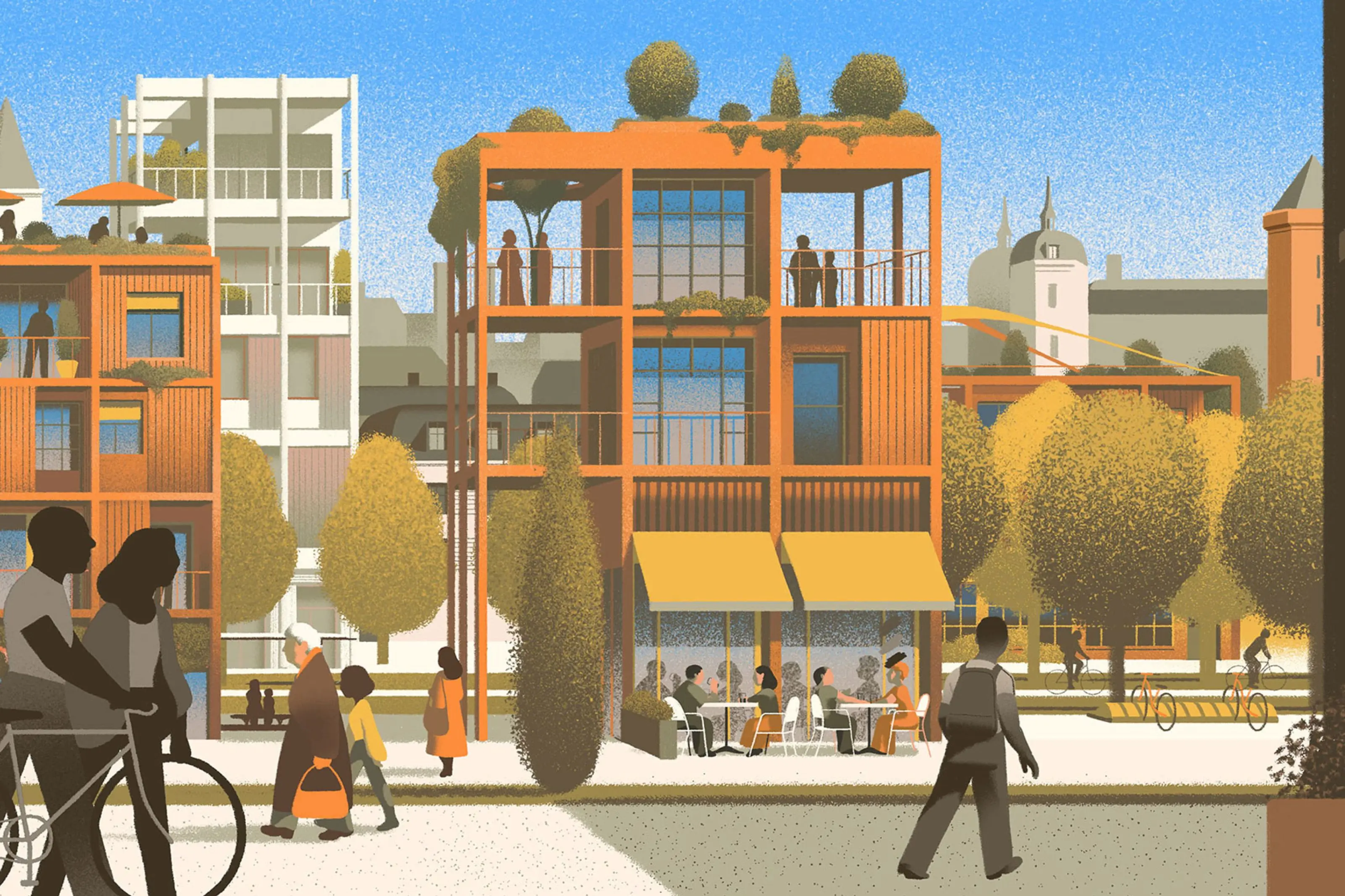
By 2050 nearly 7 in 10 people will live in cities (World Bank Group)
Urban Futures work centres on the development of prosperous, equitable and resilient cities, encompassing a range of urban challenges such as planning, governance, infrastructure, social dynamics, and sustainability.
One Health
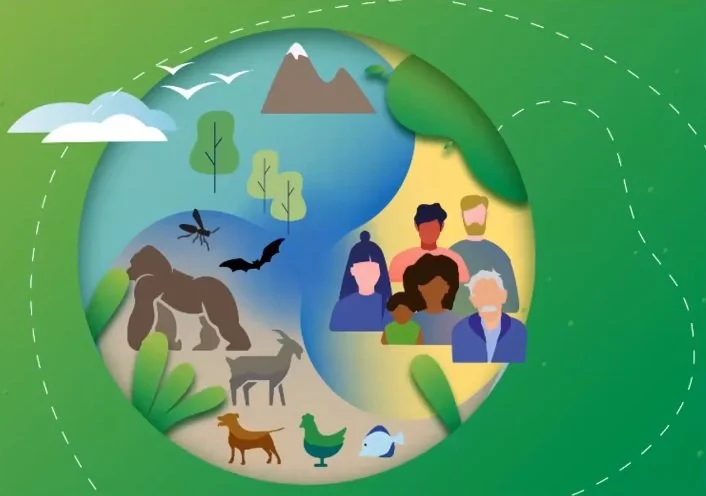
“Since 2003, the world has seen over 15 million human deaths and US$ 4trillion in economic losses due to disease and pandemics, the majority of which come from animals.” (WHO)
One Health is an approach that recognizes the interconnectedness of human, animal, and environmental health, while advocating for multiple sectors to collaborate at local, national, and global levels to achieve optimal health for all.
Regenerative Livelihoods
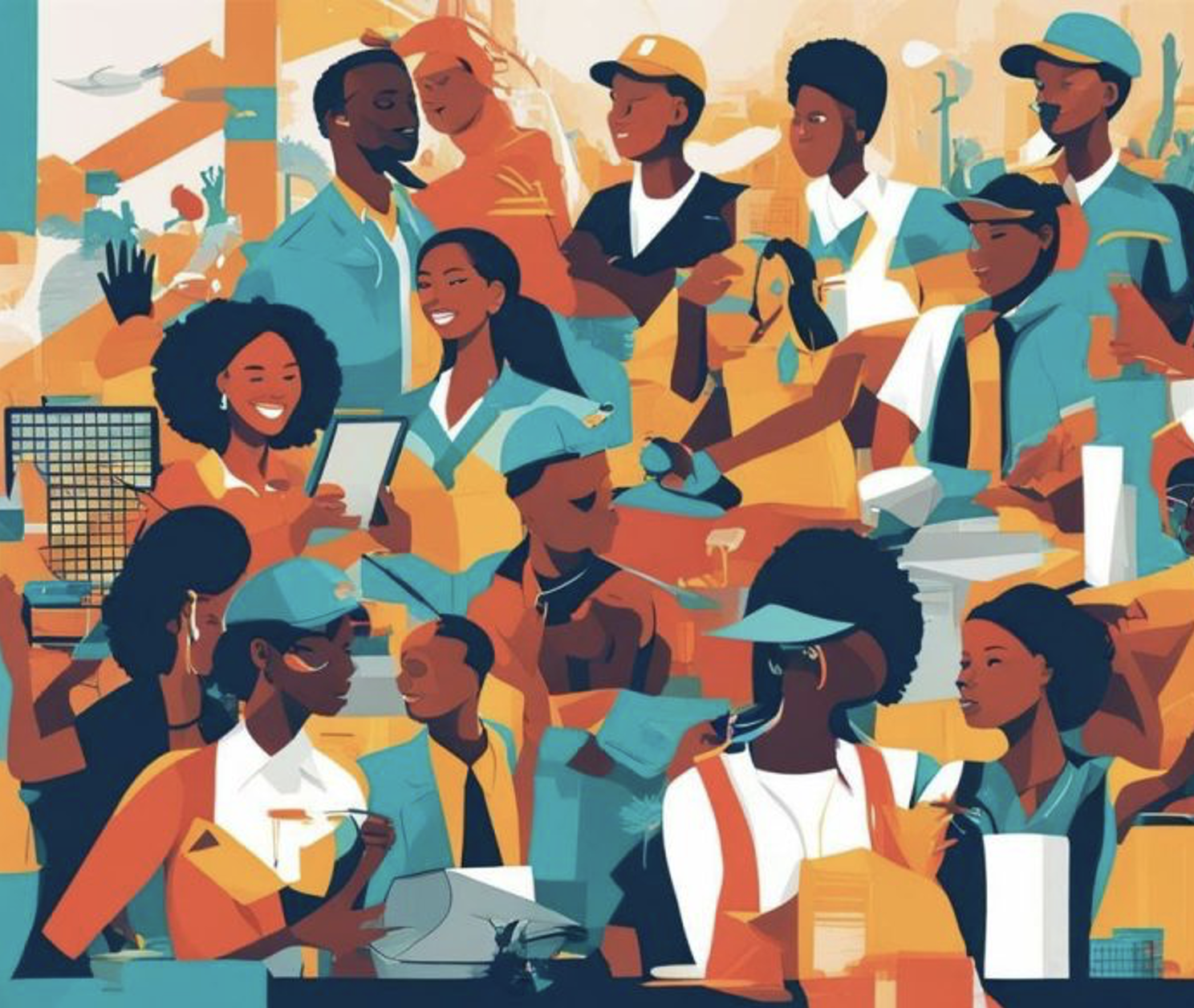
Between 2025 and 2050, the working-age population of Sub-Saharan Africa is projected to add more than 620 million people to its labour force (World Bank Group)
We are committed to advancing a future wherein jobs, employment and means of living promote positive social, economic and environmental outcomes, while enhancing the capacity of future generations and systems to evolve and flourish.