OECD Ecosystem Strengthening Learning Journey Series Session Four
Alignment — Working with National Partners
Authored by Benjamin Kumpf, Nicole Paul and Shad Hoshyar
This note summarises the discussion of the virtual seminar on November 25th, 2025, on innovation ecosystem strengthening, convened for development funders by the OECD Innovation for Development Facility in collaboration with the International Development Innovation Alliance (IDIA). This seminar is part of a nine-month learning journey that aims at advancing peer-learning among funders and generating new insights to inform better practices.
Aligning for impact — improving coherence between priorities, policies and practices
The fourth session of the OECD Innovation Ecosystem Learning Journey focused on alignment, exploring how funders, national innovation agencies, and other national partners can work together to strengthen innovation systems in low- and middle-income countries (LMICs). The discussion emphasised practical experiences, challenges, and strategies for improving coherence between priorities, policies, and practices.
Benjamin Kumpf, from the OECD Innovation for Development Facility, also invited the community to an in-person meeting in Paris in March 2026, which will include a two-day seminar on ecosystem strengthening and the annual OECD innovation community meeting.
What lessons can Costa Rica offer for building resilient innovation ecosystems?
Pilar Garrido, OECD Director for Development Co-operation, opened the session with insights from her tenure as Costa Rica’s Minister of Planning and Economic Policy (2018–2022). She highlighted the role of the Learning Journey in strengthening collaboration between DAC members, national innovation agencies, and government institutions in LMICs.
Pilar emphasised that the Learning Journey builds on the 2024 DAC Guidance on Scaling Development Outcomes which outlines the centrality of innovation ecosystems, the enabling environments for solutions to scale and unfold sustainable impact. The DAC policy guidance document calls upon funders to work with in-country partners to assess institutional capacities, understand and shape local innovation ecosystems, and identify gaps where international funders may need to act as intermediaries.
Pilar shared lessons from Costa Rica’s experience in building a biomaterials innovation hub in collaboration with the Inter-American Development Bank (IDB). The strategy aimed to strengthen research and development capabilities by leveraging existing laboratories and universities and connecting them with markets and the private sector. A platform was established to support actors with market entry, regulatory compliance, commercialisation, and alignment with national strategies. While these hubs have generated important outputs, Pilar noted that sustaining them has been challenging due to high financing costs.
Pilar advised addressing these common pitfalls by integrating sustainability into project design, moving beyond rigid delivery-focused frameworks, and investing in intangible elements that strengthen innovation ecosystems.
Some of the good practices identified were:
Joint design of capacity development between national institutions and international funders: This included identifying champions and key institutional leaders who can cascade skills and knowledge across ecosystem levels.
Joint diagnostics of the social network dynamics of local innovation ecosystems: Undertaking such assessments with national government institutions and international funders together helped to identify which individuals, hubs and other nodes in an ecosystem were well connected, and were gaps were. This included assessing such networks with an inclusiveness lens.
Discussion Highlights
Responding to Emmeline Skinner (FCDO) on how bioscience clusters were initiated, Pilar explained that efforts began with a concessionary loan and relied heavily on universities and aligned SMEs. A whole-of-government approach and STI policy provided the foundation, complemented by efforts to attract talent from both external and internal private sectors. Geographical considerations were also critical to ensure balanced development.
Johannes Linn raised a question on scaling innovation ecosystems and how to help SMEs get off the ground. Pilar described mapping firms with high potential and pairing them with universities and public-sector mentors. Significant time was invested in commercialisation and regulatory alignment, but some SMEs did not succeed due to the resource intensity of mentoring and collaboration. This experience raised important questions about when to discontinue support and how to make such decisions.
Insights from Kenyan National Innovation Agency
Dr. Tonny Omwansa, Head of the Kenyan Innovation Agency, brought a wealth of experience from technology and academia. He positioned the agency as an enabler rather than a primary funder, focusing on creating conditions for innovation rather than directly financing projects. He also chairs the Network of Entrepreneurial Institutions Leaders, which supports entrepreneurship in universities, strengthens ecosystem capacity, develops maturity frameworks. He also leads the Africa Innovation Agencies Network, which advances collaboration, knowledge sharing, startups soft-landing, cross-border commercialisation and technology transfer across Africa, and advances policy advocacy in partnership with innovation hubs.
What has worked?
Leadership and long-term planning emerged as key drivers of success. Kenya’s 10-year innovation strategy provides priority focus while maintaining flexibility, enabling partners to align effectively. The strategy addresses capacity building, infrastructure, markets, financing, and policy support.
Dr. Omwansa highlighted the cluster approach, which allows targeted interventions by sector or geography while adapting activities to local context. Convenings and focused forums, particularly for university leadership, have supported research commercialisation and improved coordination across actors. Public MEL products, including the Kenyan Innovation Outlook, enhance transparency and inform decision-making.
Key challenges
Relatively low levels of engagement with national agencies often leading to misalignment and resource loss.
Persistent perception among many Northern funder institutions that innovation agencies across Africa are “not ready,” which discourages direct collaboration and their inclusion in program design and implementation.
Rigid target setting by funders, which can result in rushed delivery, duplication of efforts, and misalignment with national priorities.
Ecosystems must be underpinned by strong agencies to avoid dependency and ensure sustainability. National agencies can help align targets with local conditions and priorities, but this requires deliberate engagement. Dr. Omwansa suggested that funders’ forums are an effective mechanism for coordinating priorities and fostering alignment.
Ecosystem measurement
Dr. Omwansa introduced Kenya’s Entrepreneurial Institution Maturity Framework, a tool that measures ecosystem maturity across seven dimensions: entrepreneurial leadership, funding, partnerships, internationalisation, teaching and learning, infrastructure, and incentives. The framework consolidates these scores to create a baseline, acknowledging that maturity varies widely across institutions. He stressed that leadership, particularly when university vice-chancellors actively champion innovation, can create transformative ripple effects throughout an institution.
Addressing ecosystem connectivity, Dr. Omwansa noted that governments are often tasked with intangible coordination roles while funders focus on tangible outputs, yet these functions are interdependent. He urged funders to treat support for relationship-building and orchestration as essential investments.
Finally, he outlined collective efforts through the Africa Innovation Agencies Network, which is advancing a soft-landing framework for enterprises, improving access to markets and funding, and creating a pan-African innovation fund. The network’s priorities include capacity building, policy harmonisation, commercialisation and tech transfer programmes, and cross-border coordination—initiatives aimed at fostering a more integrated and resilient innovation landscape across Africa.
Good practices from Kenya include:
Funding platforms have convening power and should be led by national institutions: Platforms such as the Kenya Innovation Ecosystems Funder’s Forum help to strike the balance between funding for tangible outputs with support for intangible outputs (which contributes to strengthening the innovation ecosystem overall)
Medium to long-term innovation strategies that are aligned to national plans for growth are helpful to foster alignment: Formal innovation strategies or guiding frameworks, such as Kenya’s ten-year National Innovation Masterplan, are helpful instruments for national innovation agencies and other institutions to align international funders and implementers, and enhance coordination. In addition, the national plans make the innovation agencies naturally visible in providing local leadership and making the desired international collaboration much easier to achieve.
Participants Input on Miro: Practices for Better Alignment
Participants shared practical strategies for improving collaboration with national partners. Suggestions included adopting a cluster approach to organise innovation efforts, establishing direct connections between accelerators, and co-creating priority lists with local innovation agencies. Defining an innovation masterplan and investing in leadership were seen as critical for clarity and alignment. Managing stakeholder expectations and hosting learning convenings were highlighted as ways to build trust and foster engagement.
Strengthening informal networks across silos and sectors, reinforcing institutions, and ensuring a shared understanding of what innovation means were also emphasised. Finally, participants noted the importance of dynamic mapping and adaptability to respond to ecosystem changes.
Mission Readiness Assessment Tool
To close the session, Benjamin Kumpf introduced the Mission Readiness Assessment Tool being developed by the OECD team. This tool is designed to help funders and partners assess whether foundational conditions are in place to adopt a mission-oriented innovation approach in low- and middle-income countries. Benjamin invited participants to provide feedback to enrich the tool and ensure its usefulness for the community, particularly as the team prepares a Monitoring, Evaluation, and Learning (MEL) paper.
The tool has already been piloted in Colombia and the Dominican Republic, as documented in this OECD blog. It focuses on three core dimensions:
Innovation Ecosystem Maturity – including market conditions, innovation actors, connectivity and collaboration, and enabling infrastructure.
Public Sector Capabilities and Capacities – covering government structure, strategic orientation, coordination, and implementation and learning.
International Development Cooperation Dynamics – assessing external finance, alignment and coordination with national priorities, and openness to learning and innovation.
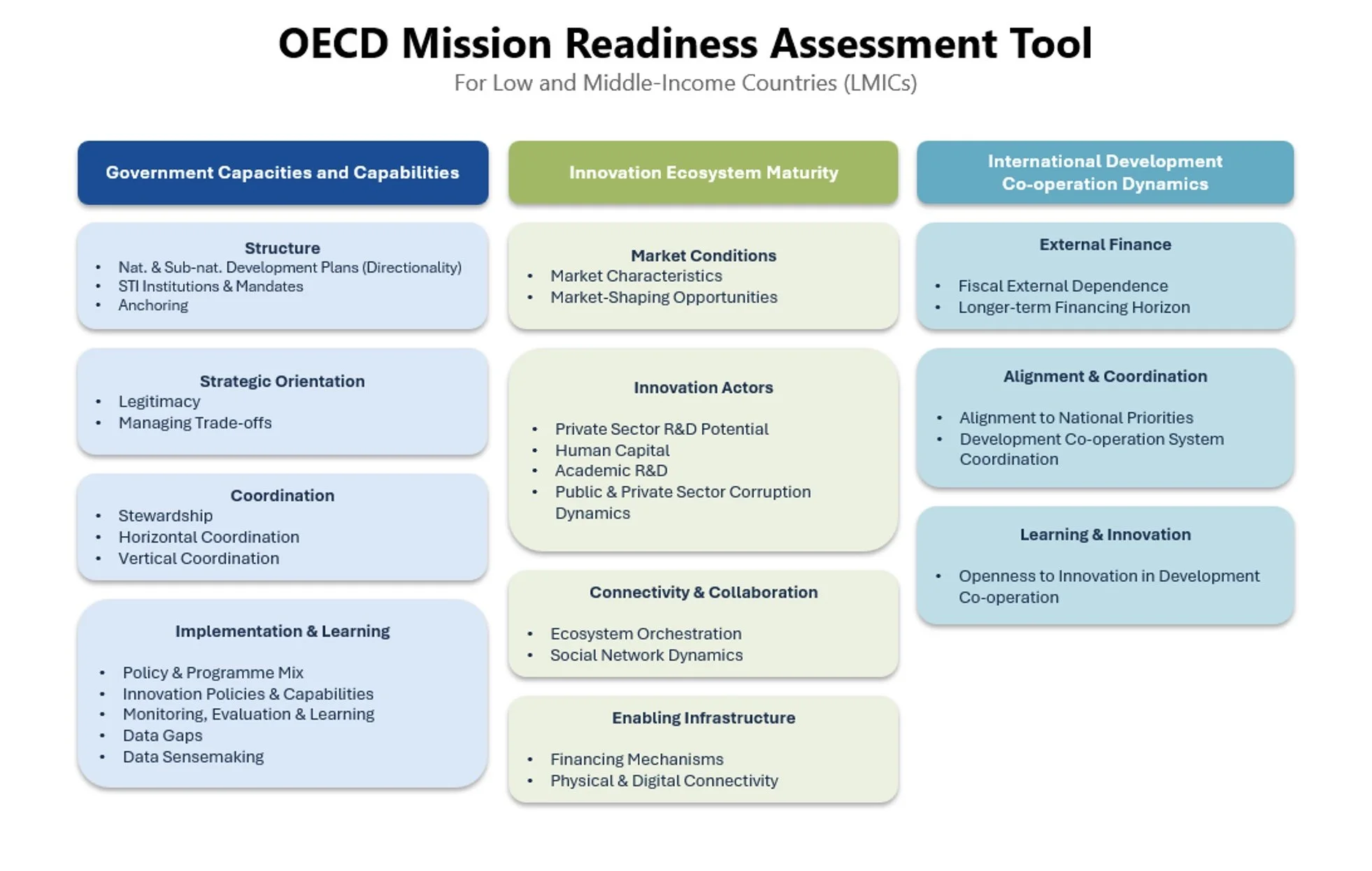
Figure 1. OECD INDEF Mission Readiness Assessment, 2025
Each dimension includes detailed indicators such as fiscal dependence, ecosystem orchestration, social network dynamics, and financing mechanisms. The goal is to provide a structured way to evaluate readiness for mission-oriented innovation and identify gaps that need to be addressed.
Looking Ahead
The next session in the OECD Learning Journey will take place on 22 January 2026, focusing on Directionality: how to steer STI policies toward competitiveness and social outcomes.
If you are practitioners working on strengthening innovation ecosystems in LMICs and want to get involved, please get in touch via indef@oecd.org